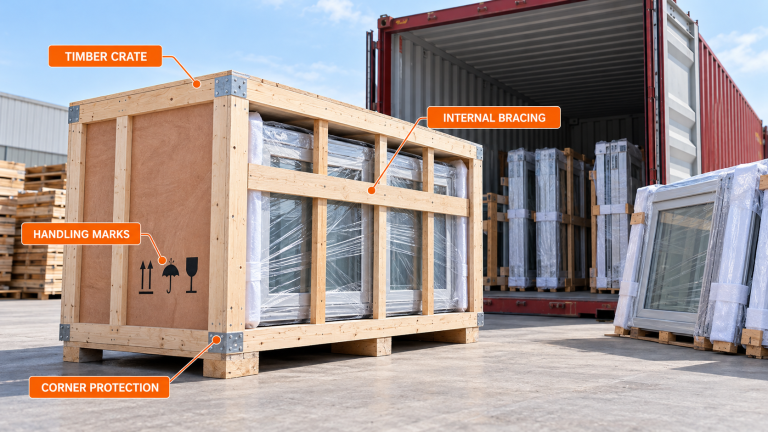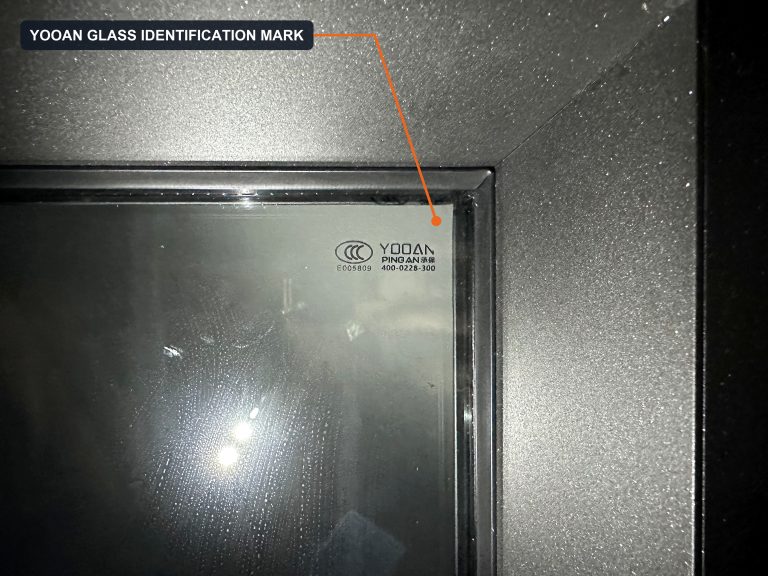
Good products can still be damaged by poor handling on site. A simple routine protects the finish, glass, hardware and drainage paths from delivery to handover.
Build a usable delivery record
| Stage | What to record | Why it matters |
|---|---|---|
| Before unloading | Vehicle or container, crate count and overall packaging | Establishes the condition on arrival |
| Before opening | Impacts, moisture, broken restraints and labels | Connects visible damage to the shipment |
| After opening | Opening reference, product label, overall unit and close-up detail | Makes the affected item identifiable |
| Before installation | Storage condition, missing items and reported actions | Keeps responsibility and follow-up traceable |
Inspect the delivery before moving it
Compare crate and item labels with the packing list and photograph the crates before opening. If damage is found, keep the packaging and notify the responsible parties promptly. Do not discard labels until every unit has been matched to its opening.
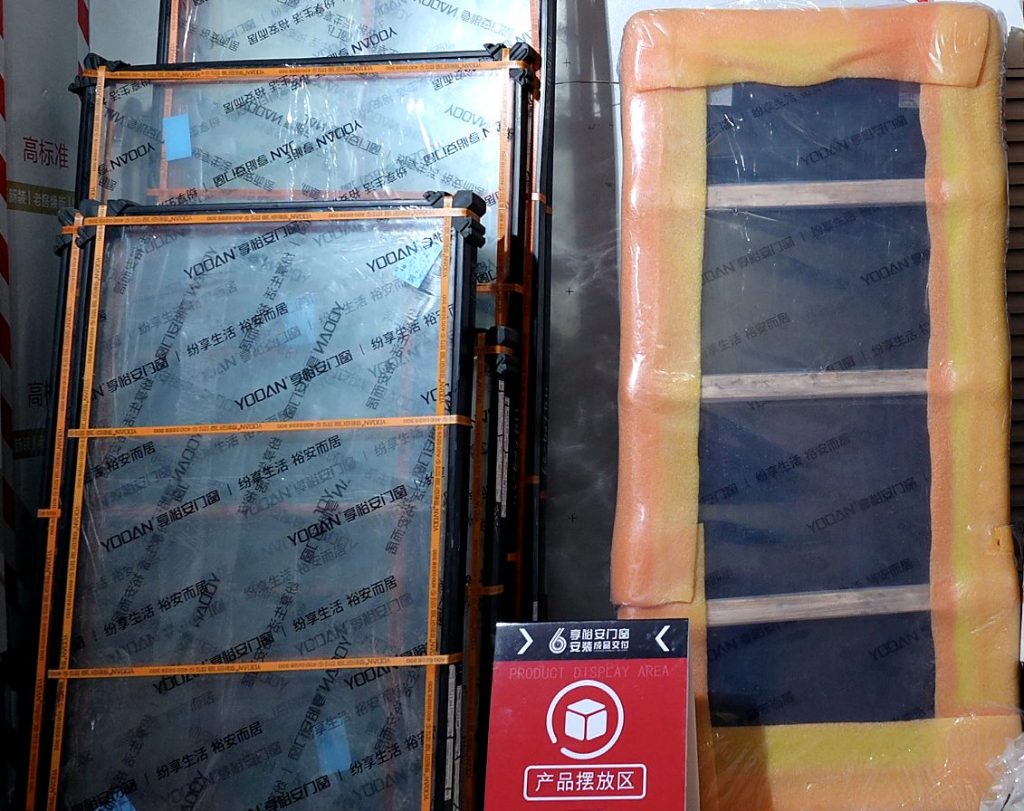
Store units upright and protected
Follow the project-specific packing and handling instructions. In general, keep units supported, dry and away from cement dust, welding sparks, standing water and uncontrolled construction traffic. Avoid placing heavy materials against frames or glass. Protective film is temporary protection, not a substitute for safe storage, and it should not be left exposed beyond the supplier’s stated period.
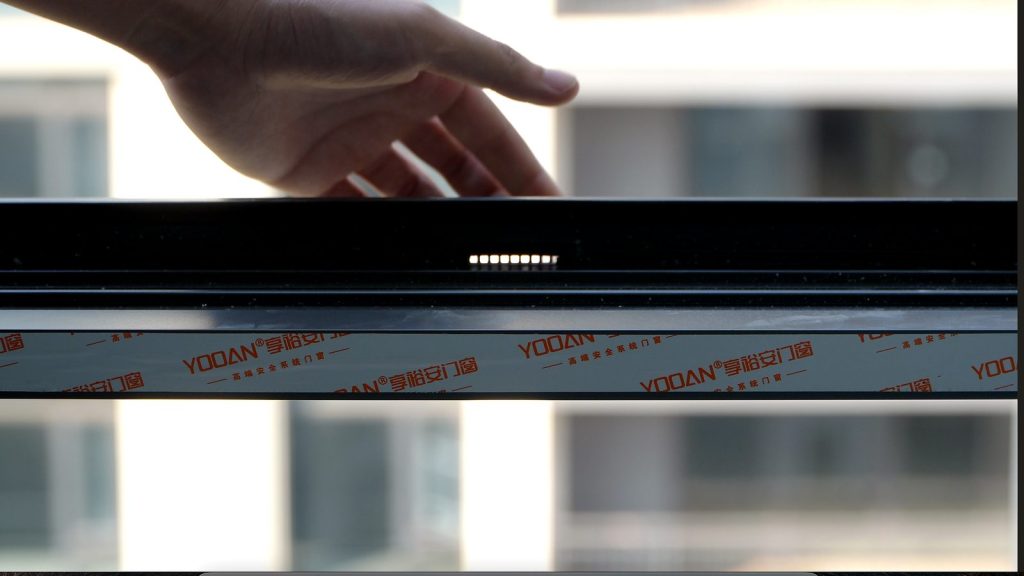
Protect drainage and moving parts
Tracks, weep paths and drainage outlets must remain clear. Remove loose debris with a soft brush or low-suction vacuum before operating a panel. Do not force a sash or door that feels obstructed. Check for packaging blocks, temporary fasteners or site debris first.
Clean with mild methods
Use clean water, a soft cloth and a mild pH-neutral cleaner unless the finish or hardware supplier gives different instructions. Test any cleaner on a small hidden area. Avoid steel wool, abrasive pads, strong acids, strong alkalis and sharp scrapers on coated aluminium. Glass cleaning must also follow the glass supplier’s guidance, especially where coatings are present.
Check operation before handover
- Open, close and lock every unit.
- Check that handles, hinges, rollers and restrictors are present and secure.
- Confirm seals are seated and drainage openings are unobstructed.
- Record adjustments or damage with the opening reference and photographs.
- Give the owner the applicable operating, cleaning and maintenance information.
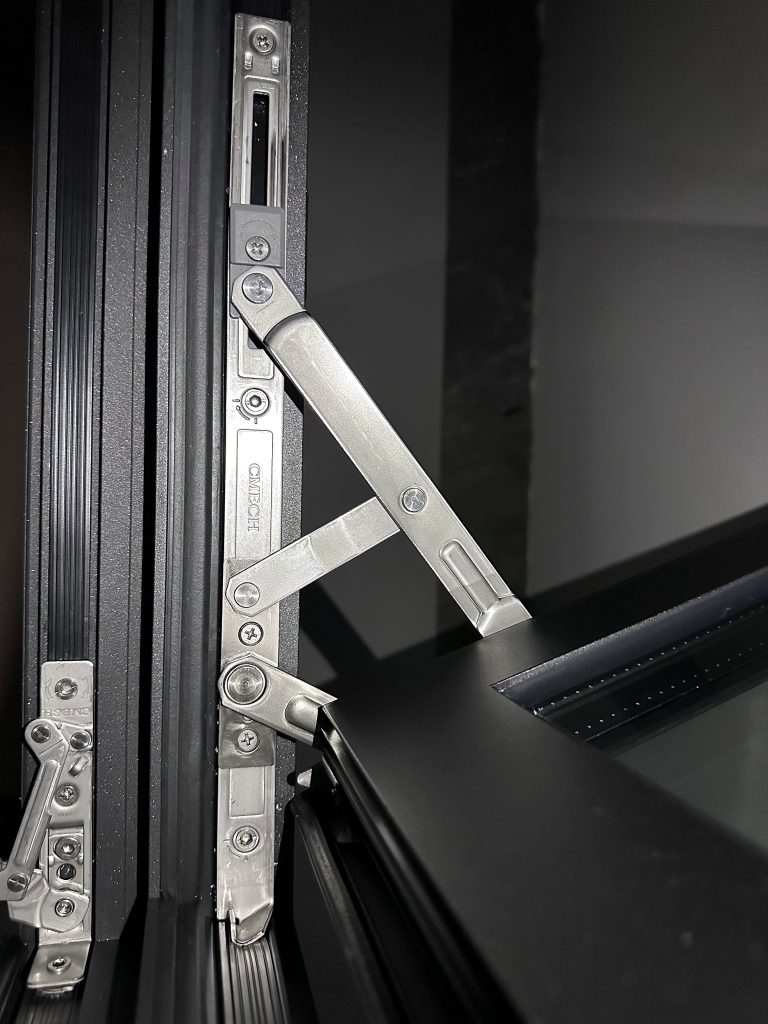
Adjustment and lubrication methods vary by hardware. Use only the lubricant and procedure identified for that hardware, and arrange trained service where a panel is heavy, misaligned or unsafe to operate.